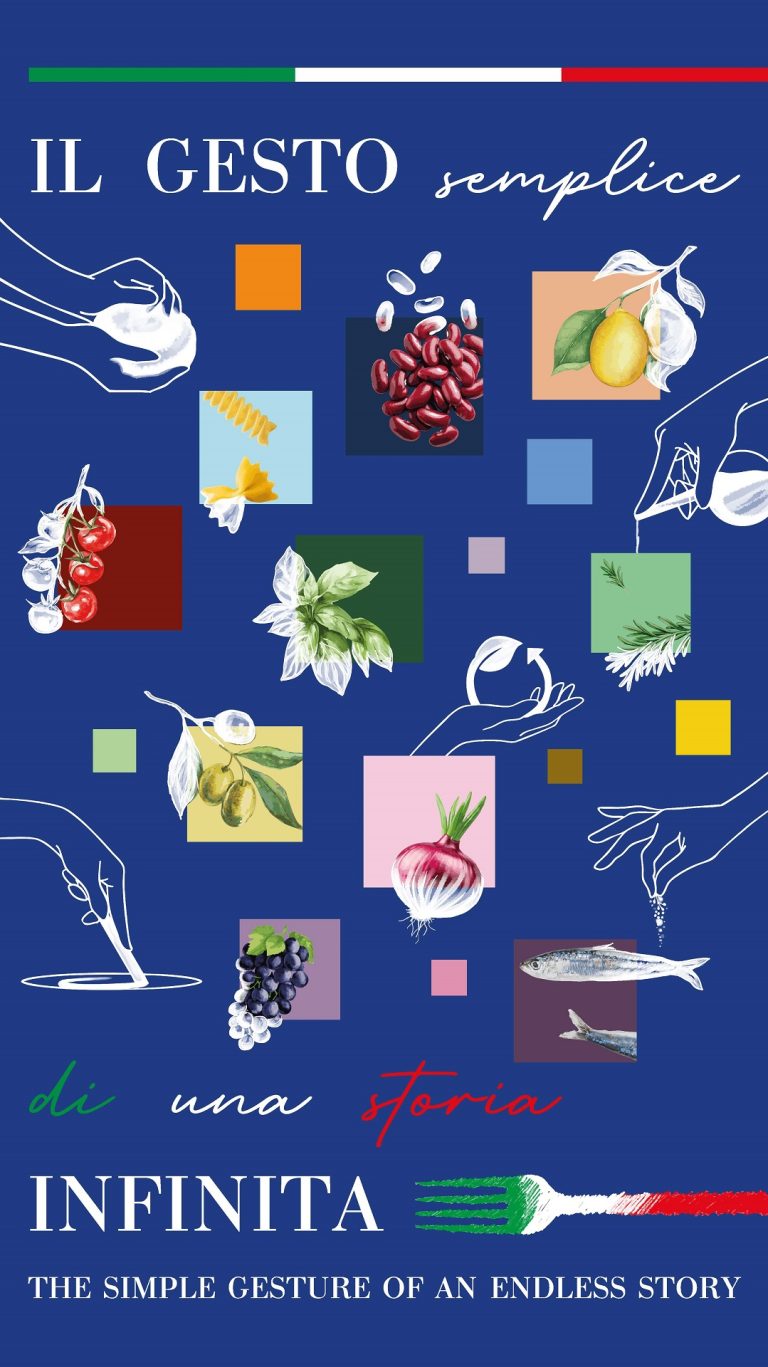
“Italian cuisine is one of the great identity values of our Country. What we eat not only tells who we are, but also represents an important part of our international reputation, promotes tourism, the discovery of our territories, and opens new opportunities for international economic cooperation.
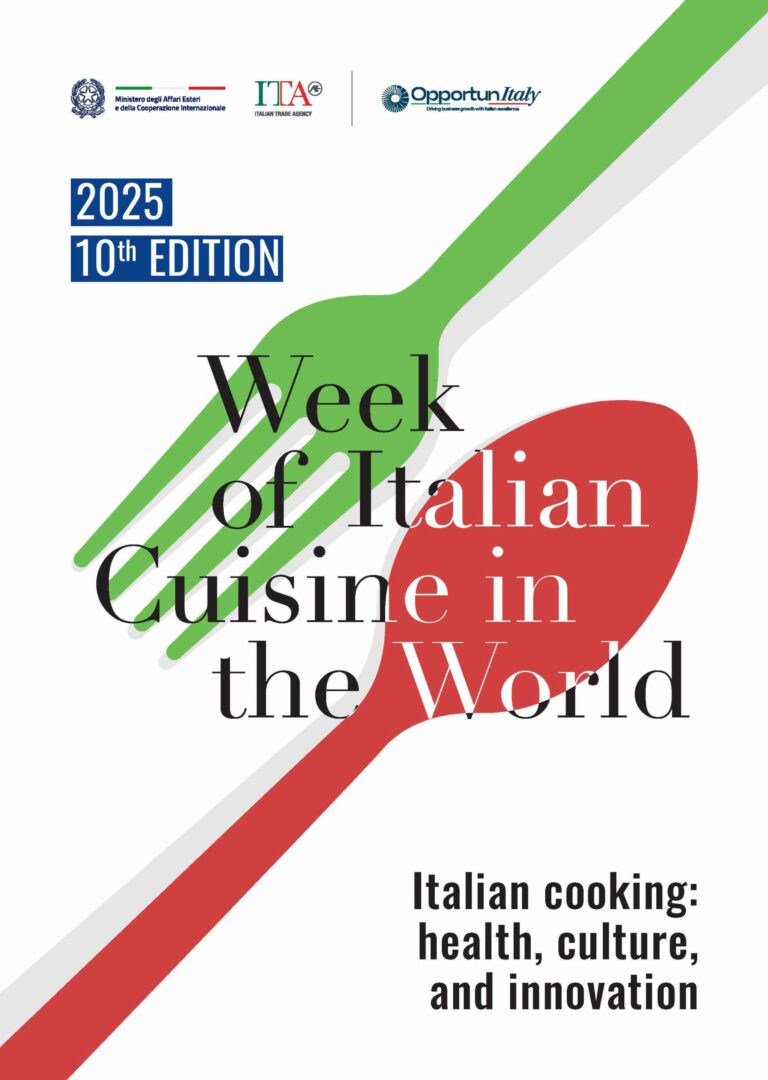
Last 28 November we inaugurated the tenth edition of the Week of Italian Cuisine in the World (SCIM 2025). With over ten thousand initiatives carried out over the years by our network of Embassies, Consulates, Italian Cultural Institutes, and ICE Offices, the event confirms itself as one of the longest-running and most effective among those promoted by the Farnesina. In the past year alone, 949 promotional initiatives were organized, involving over 3,000 Italian companies in 223 cities across 87 countries. This success demonstrates how Italian cuisine is a universal language, capable of bringing people and cultures together, promoting dialogue and peace, conveying our traditions, and supporting our entire agri-food supply chain. Above all, it is a commitment to system-building and to increasingly protect and promote this sector.
Italian cuisine-related exports closed 2024 with a record value of €67.5 billion, up 8.3% from the previous year, representing nearly 11% of our total exports. The products of our agricultural and food supply chain are a key component of the Action Plan for Italian exports in high-potential non-EU markets. We have set an ambitious goal – €700 billion in annual exports by the end of the legislature – which Italian food products and wine production can help us achieve.
Just a few weeks ago, I met with representatives of the Italian industrial and agri-food sectors, including some of our pasta producers, together with Trade Commissioner Maroš Šefčovič, who visited Rome.
We have also equipped our Embassies abroad with agricultural experts and Guardia di Finanza officers to provide companies and associations with tools dedicated to intellectual property and the fight against Italian sounding, which undermines the value and credibility of our products.
Protecting Italian cuisine is a priority for this Government, especially in this historical phase, with European farmers protesting against the Green Deal, the demand for protection of Geographical Indications, anti-dumping procedures affecting pasta, and the imposition of tariffs on wine and cheese, as well as on all our exports.
In our strategy, cuisine is also a tool for cooperation and solidarity, for promoting food security and peace. In Palestine, we launched “Food for Gaza,” with the support of UN agencies and all key components of our national system, to bring aid to the civilian population. So far, we have delivered over 2,400 tons of food, medical supplies, and essential goods, including 2,000 tons of flour, 60 tons of feed and kits, distributed via trucks donated by Italy to the World Food Programme or directly through air drops by our Defense in recent months. A project – among the few in the world – that has the full support of both Palestinian and Israeli authorities.
In Africa, we aim to launch a new initiative “Italy for Sudan” to provide humanitarian support to the civilian population, with a complex two-phase operation. First, we will organize a cargo plane with food collected with the support of Italian companies and private associations, which we hope to send by the end of the year to provide an urgent initial response. For 2026, we plan to send a ship carrying a larger quantity of food, medical supplies, and essential goods, also to help the population face the ongoing cholera epidemic.
Within the framework of the Mattei Plan for Africa, we are also implementing innovative initiatives that, through new partnerships – including in the agri-food sector and with the involvement of our private sector excellence – contribute to growth and stability in the Mediterranean area and across the African continent.
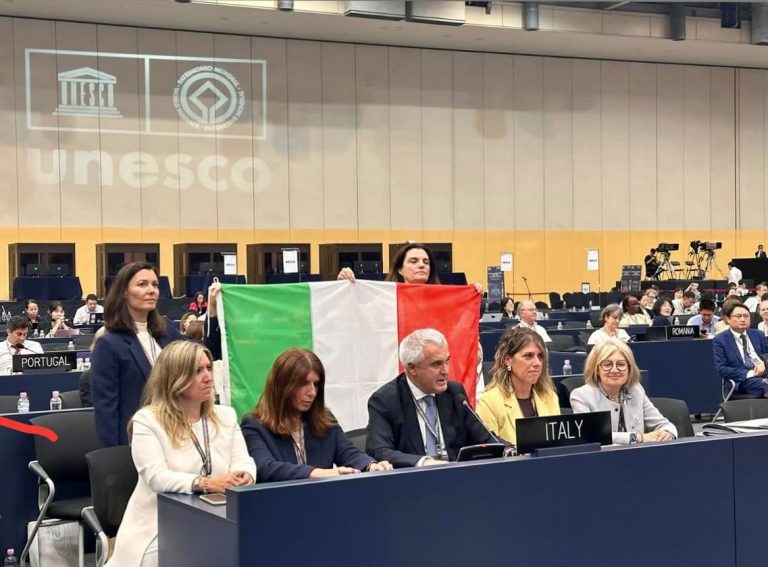
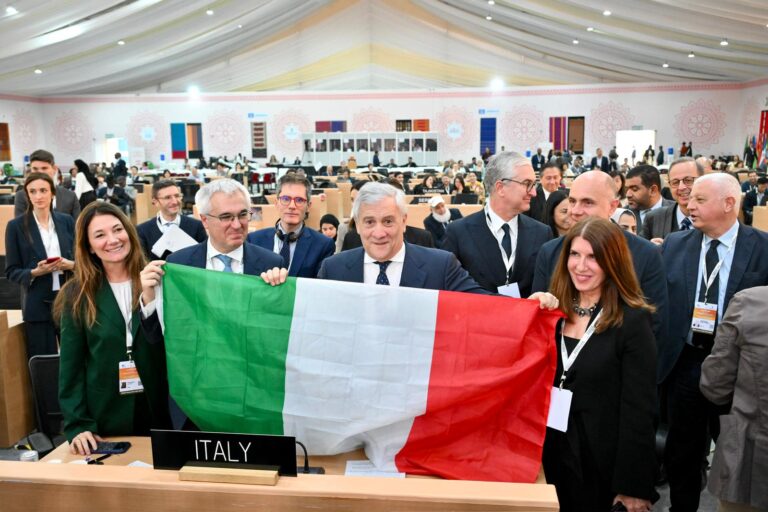
Behind the candidacy of Italian cuisine as UNESCO Intangible Cultural Heritage, whose decision is expected in December in New Delhi, lies all of this. A candidacy we strongly support, because our cuisine is a cultural and identity expression of the country, the result of skills and knowledge that deserve to be protected and passed on.”