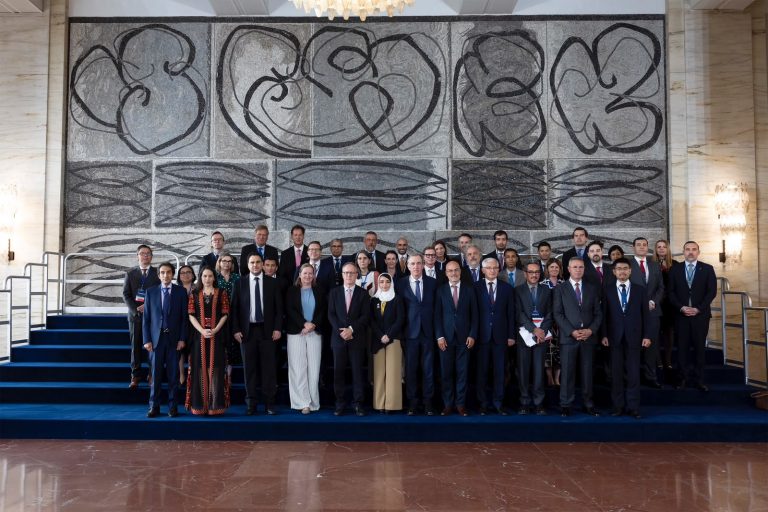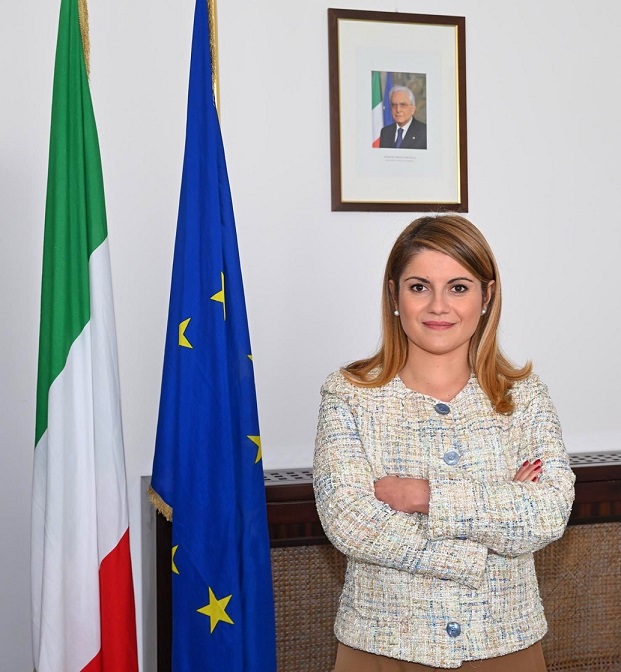
During her mission to New York, Italian Undersecretary of State for Foreign Affairs Maria Tripodi co-chaired a high-level event organized by Italy and the Philippines on the Women, Peace and Security Agenda.
The initiative comes at a time of growing international instability, in which the role of women in conflict prevention and peacebuilding processes is increasingly recognized as strategic by the United Nations and key international actors.
“The current fragmentation of the security environment requires concrete actions to support women’s leadership: the values and objectives of the Agenda are a shared responsibility,” Tripodi stated. The Undersecretary also encouraged other members of the Network to apply for the 2027 co-chairmanship, stressing that the complexity of today’s international landscape makes it even more important to ensure continuity in the efforts undertaken so far.
The Women, Peace and Security Agenda is traditionally built around four pillars:
Participation: promoting the full, equal and meaningful participation of women in negotiation processes and decision-making bodies at the local, national and international levels, with the aim of preventing, managing and resolving armed conflicts.
Protection: safeguarding the fundamental rights of women as established by international conventions and condemning all forms of gender-based violence in situations of armed conflict or humanitarian emergencies. A parallel series of UN resolutions has developed around this issue, including the important Resolution 1820 of 2008.
Prevention: this pillar includes prosecuting individuals responsible for violence against women, strengthening legal protections for women in national legislation and supporting women’s organizations at the local level.
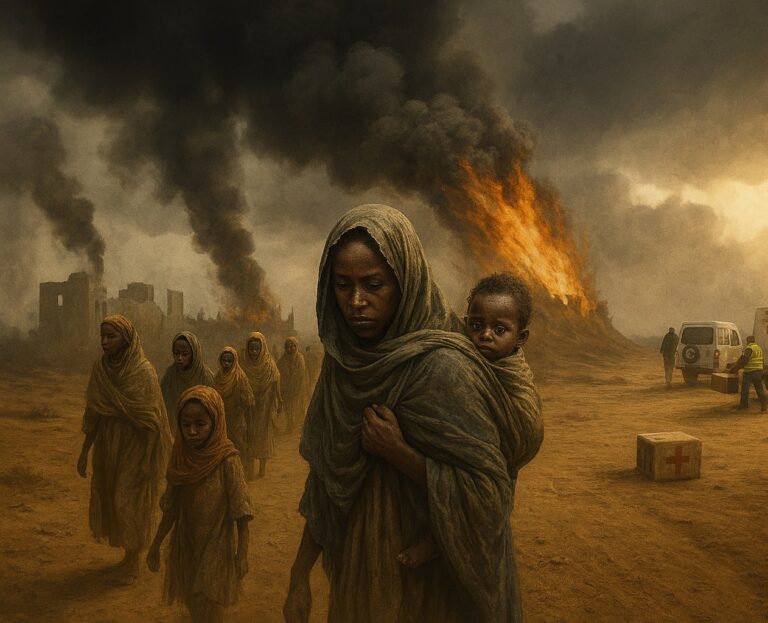
Relief and Recovery: integrating a gender perspective into humanitarian assistance initiatives and into policies addressing refugees and internally displaced persons.
Over the years, Italy’s National Action Plans have been characterized by the active involvement of universities, research institutes and civil society organizations, which propose and implement projects through dedicated annual calls issued by the Ministry of Foreign Affairs and International Cooperation (MAECI).